Showing posts with label recycling. Show all posts

Sunday, 26 January 2020

A Planet Full Of Plastic


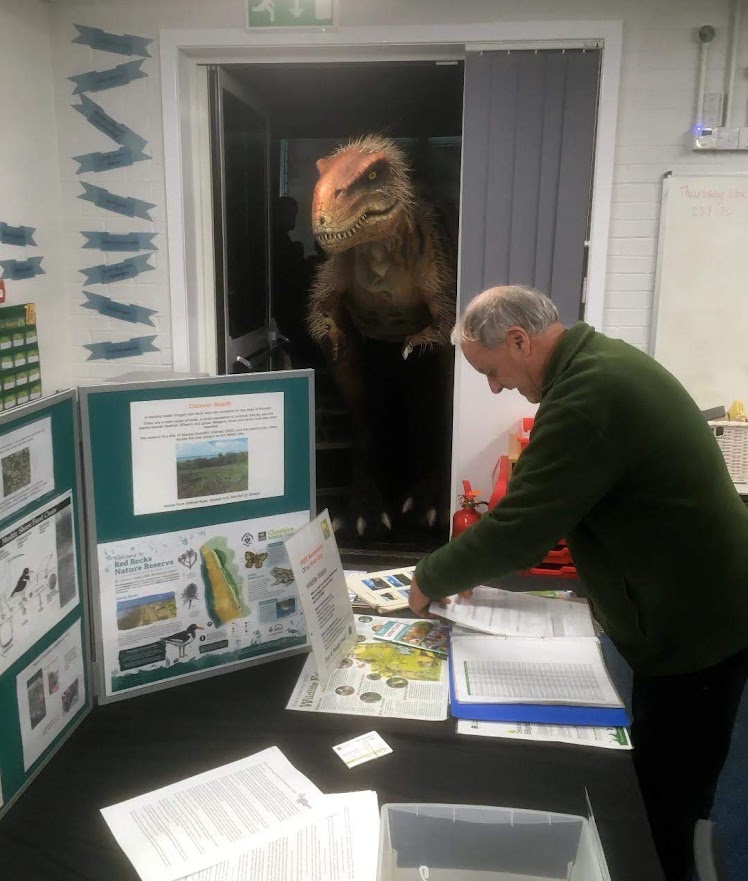
Wirral Wildlife’s stall at Science Under The Stars. The dinosaur was only prevented from gobbling up a CWT recruiter by the size of the doorway.


We were pleased to be asked to attend two local events this month.

On Thursday 23rd January Heswall Primary School presented this year’s Science under the Stars with the theme ‘A Planet Full Of Plastic’.
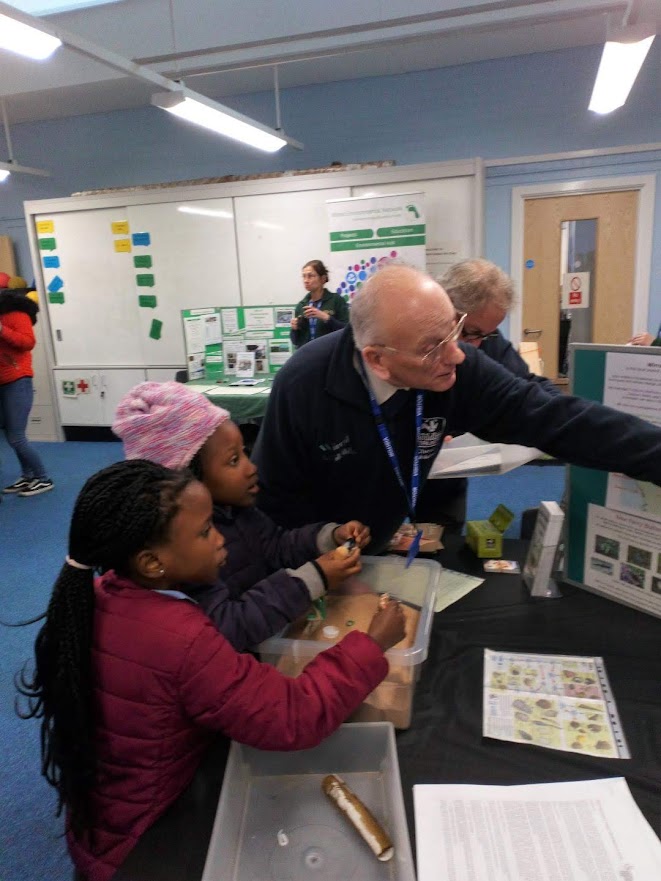
Learning about plastic pollution on our beaches

Over 1,000 people attended the premiere of 'A Planet Full of Plastic (and how we can help)', a unique conservation film produced by local schools about reducing the use of single-use plastic, inspired by Neal Layton's book, which shares the same title.

View it at

Our stall at Message In A Bottle.

On Saturday 25th January we were at Claremount Church, Wallasey as part of ‘Message in a Bottle’, an event to highlight the problems created by plastic. We took the message about plastic pollution on our beaches while others showcased actions such as recycling, litter picking and upcycling.
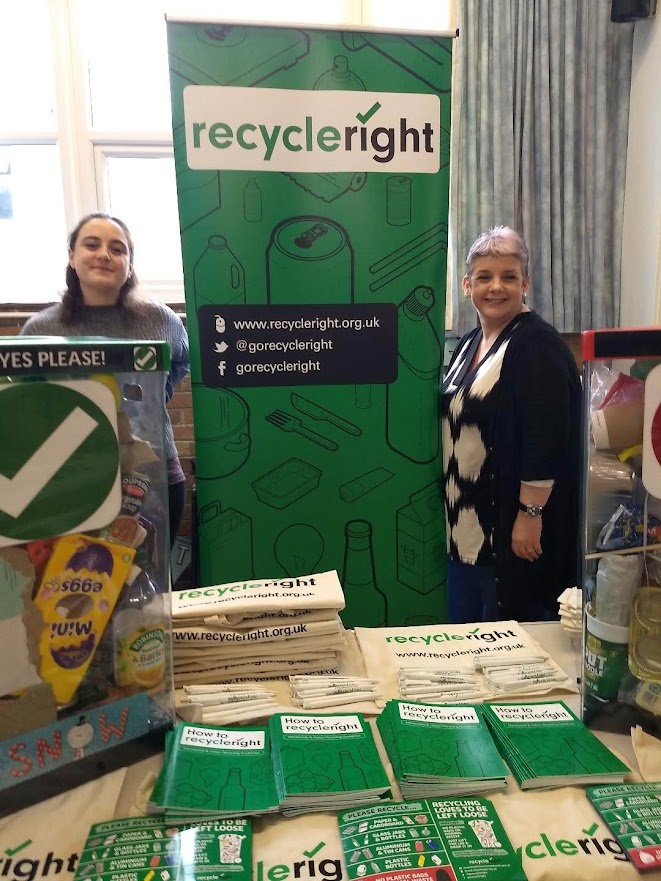

The Recycle Right stall at Message In A Bottle.

Thursday, 23 March 2017

Plastic Peril


Did you know that 90% of sea birds have plastic in their stomachs? A lot of this comes from the 35 million plastic bottles used every day in Britain. Only 20 million get recycled and many of those that are thrown away end up in the ocean. We may see plastic washed up on our beaches but the damage to marine life is more insidious. A standard PET bottle can take hundreds of years to degrade and meanwhile it breaks up into ever smaller fragments that can be ingested by all marine life. As the plastic degrades it absorbs harmful chemicals from the environment that cause even more physiological damage. The plastic and chemicals then pass along food chains to the fish and seafood for human consumption.

Companies that produce these bottles must take responsibility for ensuring that more bottles are made from 100% recycled plastic (currently the average is 6.6%) and accept the impact their products are having on the oceans. Deposit return schemes operate already in Germany, Norway and the Netherlands so why can’t the soft drinks companies introduce one here to improve recycling rates? The 5p plastic bag charge reduced use by 85% in 6 months after it was introduced.

We can all make sure that we reduce our use of plastic bottles and always recycle those we do use. Plastic is already littering some of the sea floor in the Arctic. We all need to think about our plastic footprint.