Showing posts with label Wirral Tree Wardens. Show all posts

Monday, 27 July 2020

What You Might See At The Butterfly Park


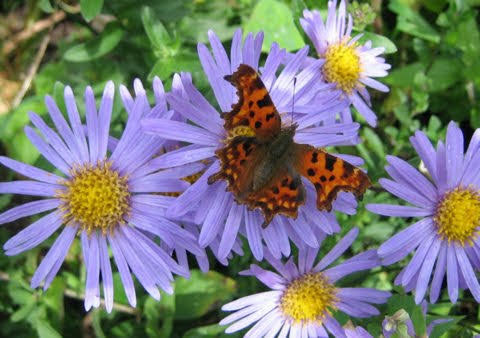
Comma on michaelmas daisies

Surveys of the wildlife started with Mel’s butterfly records and photos. It appears from Mel's booklet (1991) that Barbara Greenwood, then Hon Recording Officer for Wirral Group of Cheshire Wildlife Trust, carried out a survey of the Park in 1984.  So there was some early conservation interest from what became Wirral Wildlife.


Small tortoiseshell
Small tortoiseshell

Hilary did a further plant species list in 1991 and Mel got Liverpool Botanical Society to visit to do a fuller one. By 1998, we had decided roughly how to manage the main parts of the Park, and Hilary wrote the first formal management plan. From 2002 we started the detailed butterfly records which still continue. Various other records arrived as we got specialists to visit.

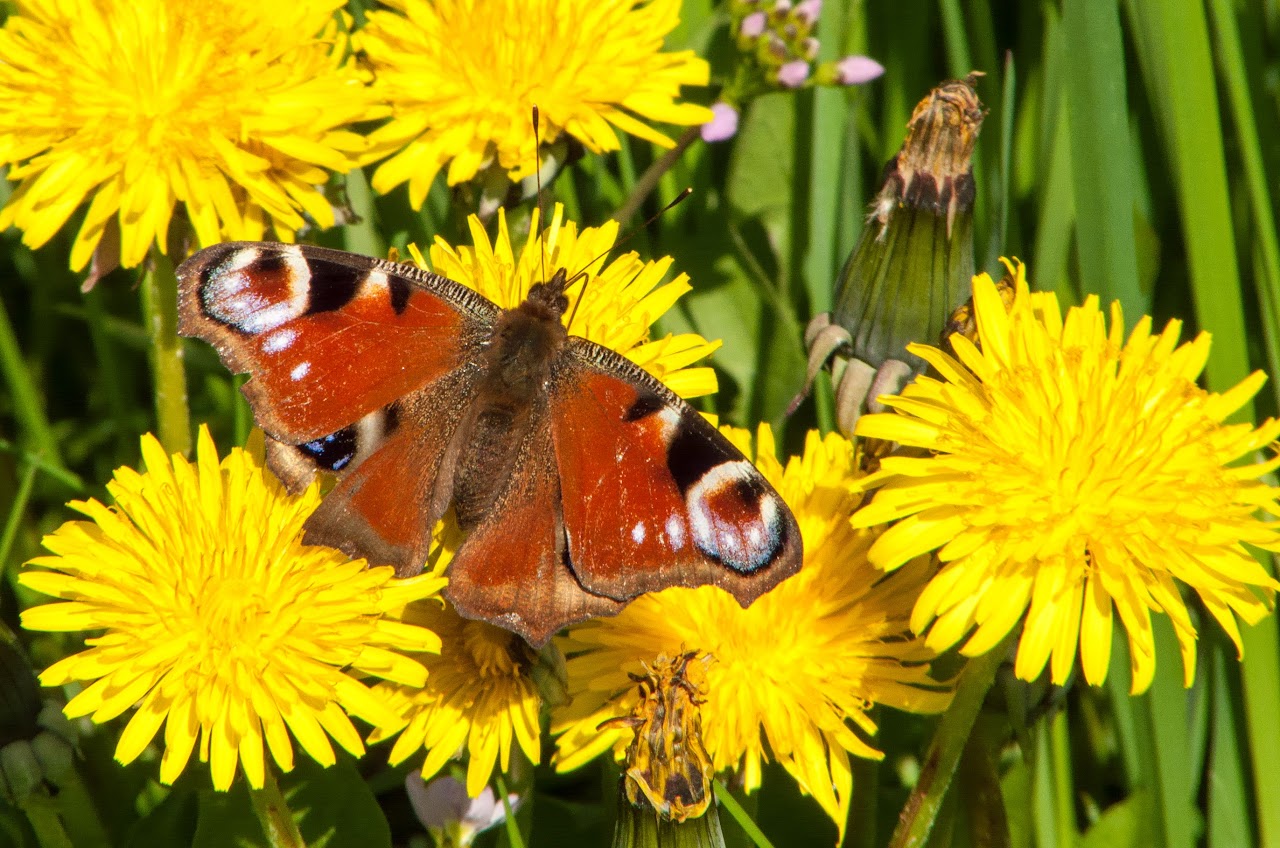
Peacock on dandelions

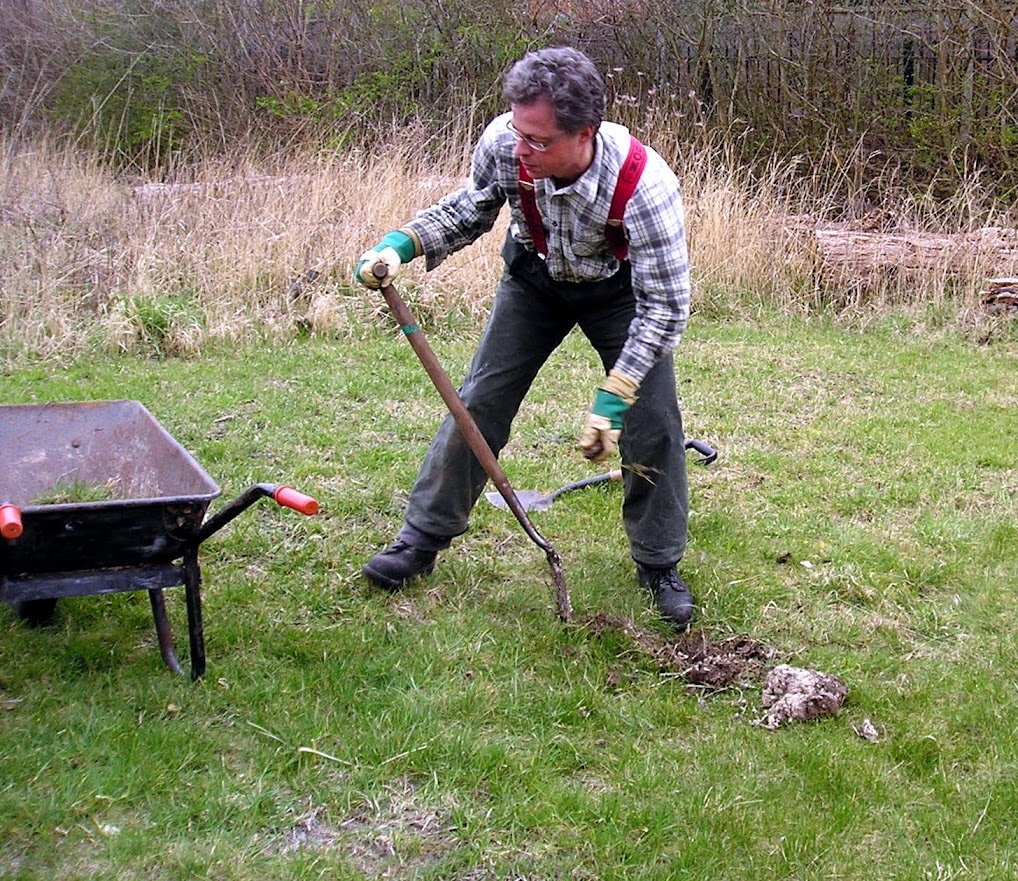
Paul Loughnane organised and led the practical workdays, which became monthly from September to April once we had the Park in reasonable order. Paul is also secretary of Wirral Countryside Volunteers (WCV) and the relationship between the two organisations became closer in 2003 when the group relocated their tools to the park. 

WCV's tree nursery
WCV's tree nursery

The WCV have a small tree nursery on site, and the Park benefits from their expert work coppicing, hedge-laying and scything, and training others in these skills.

Paul Loughnane, secretary of Wirral Countryside Volunteers (WCV)

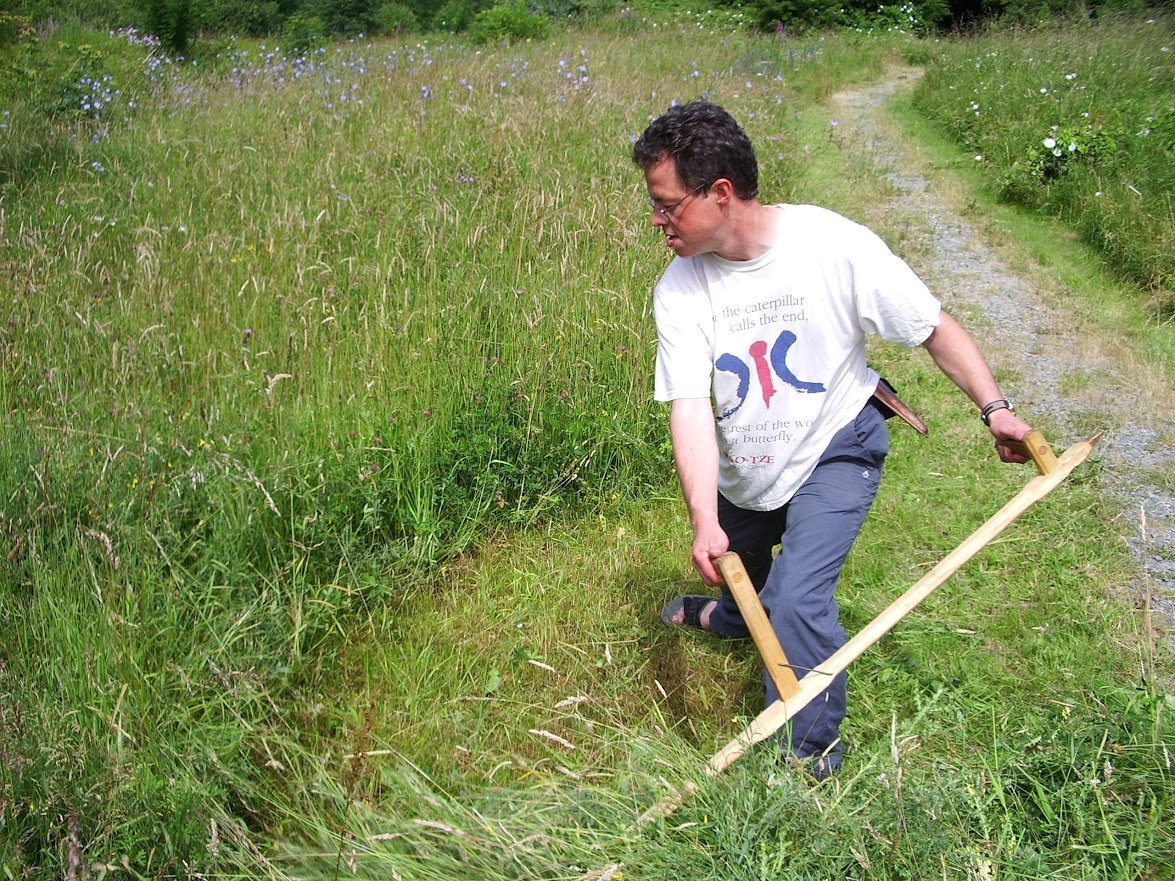
Paul scything at the Butterfly Park

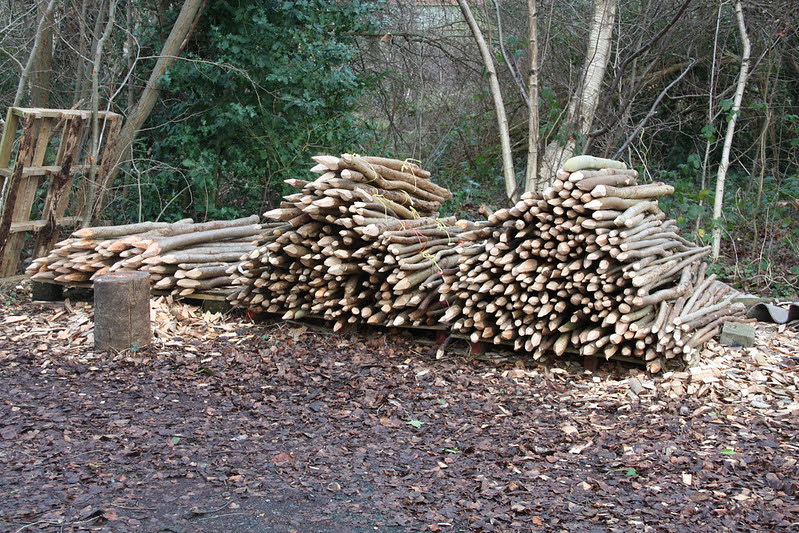
Coppiced poles
Coppiced poles

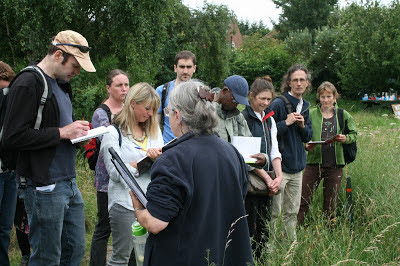
Other training courses developed e.g. Hilary’s on grasses and later on wildflowers, ones on bees led by Carl Clee and Tony Parker, ones on butterflies joint with Butterfly Conservation.  Since March 2018 apple grafting courses have been held ran by Dave Ellwand of Wirral Tree Wardens followed by apple pressing in October. 

Apple grafting course run by Wirral Tree Wardens

Meadow creation study day

All our terrestrial insects have found their own way there, helped by management e.g. planting alder and purging buckthorns, which eventually persuaded visiting brimstones to breed in 2014 (some 12 years after a local Cub group planted the main alder buckthorn row). 

Brimstone caterpillar

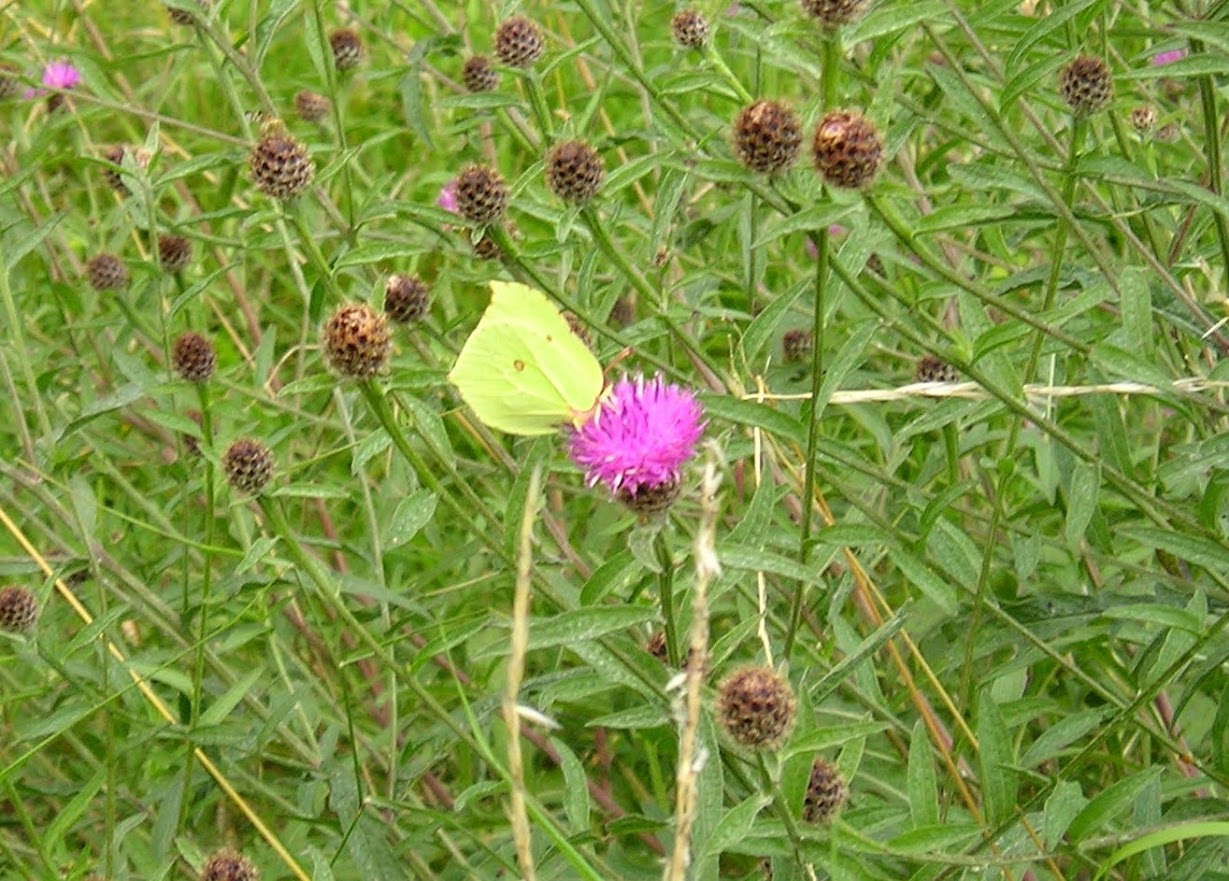
Brimstone butterfly
Brimstone butterfly

Later on, for several years Manchester University brought first year students to the Butterfly Park to see nature conservation in action. The local branch of the Chartered Institute of Ecology and Environmental Management visited twice to see and discuss habitat creation and management for invertebrates. 

Bumblebee

Damselfly

Bird's foot trefoil

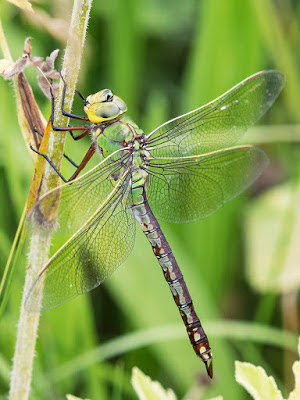
Dragonfly


We did not envisage, in the 1990s, that by 2020 insect conservation would have become a major topic, as the extent of insect decline nationally and internationally has become apparent.

Wednesday, 4 September 2019

‘Trees In A Changing Climate’ conference


‘Trees In A Changing Climate’

Saturday 19th October
from 10 a.m.

Birkenhead Town Hall

£15

A conference for Tree Wardens, Friends of Parks Groups, Tree Officers, Councillors, Council officers and staff, volunteers and workers in Wildlife, Biodiversity and environmental groups.

An opportunity to network and provide commentary on issues relevant to realistic long-term and strategic planning for trees in the North of England. The new Wirral Borough Council collaborative Tree Strategy will be unveiled as an example of work-in hand, linked to Climate Change Strategies.

Book your ticket here:

As the Tree Council are hosting the meeting, there will be a cadre of Tree Wardens, but we are keen to say that the meeting is for everyone who wants a tree strategy for Wirral and is keen to get involved with the Wirral Tree Strategy, and management of trees in your local areas.  So if you can help get the word out as widely as possible, that would be great.

Wirral Council has also made a climate change statement and are looking across the Council to explore how this statement will affect and influence the working of the Council. The Tree Strategy is a Council wide strategy, cutting across all departments and teams.

If anyone who will be attending the event can help out on the day, please contact Helen Ellis (helen.ellis@mac.com) as she is one of the key organisers of the day at Birkenhead Town Hall.

Tuesday, 23 October 2018

Volunteer Press Gangs at Butterfly Park


Liverpool John Moores Conservation Society. Photo: Paul Loughnane

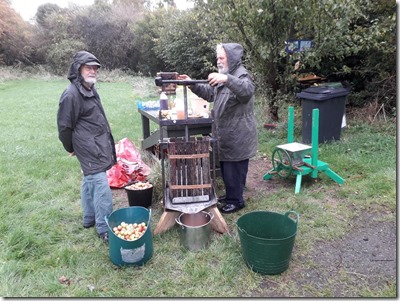
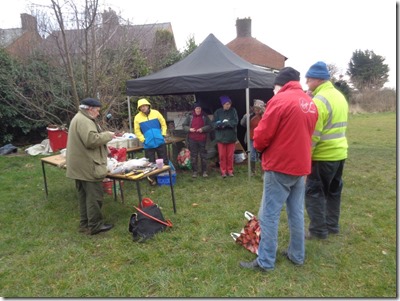
I was once asked by an officer the Cheshire Wildlife Trust did I allow volunteers to take rest breaks, as if I was running press gangs! Well one recent weekend we had two press gangs. Firstly on Saturday Dave Elwand and the Wirral Tree Wardens and then on Sunday a press gang imported from Liverpool John Moores University Conservation Society.

Wirral Tree Wardens. Photo: Paul Loughnane

We were making use of the fallen apples from New Ferry Butterfly Park as well as apple donations from Burton Walled Garden, Upton Hall School Orchard, Brimstage Orchard and private gardens. Approximately 3.5 gallons of apple juice was produced with a mix of dessert and cooking apples for a sweet apple juice for Wirral Pomona to ferment into a cider. For fresh apple juice to drink crab apples were added to the mix to take away the sweetness. Some students asked why they should not eat the crab apples. I said “Take a bite and you will soon realize why!” A wincing face is a sure test it is a crab. With the team of eager students quartering, scratting and pressing apples it did not take much time at all to fill the press and they were all excited to see the juice rush out of the press as the apple mash was squashed.

After making the apple juice the students enjoyed sampling the juice alongside the BBQ put on for them. In fact the juice, BBQ, homemade cakes and tea gave some of the students’ energy to work on Embankment Coppice until 5pm in the afternoon, the longest a student group has ever stayed. We hope to entice them back again with an après task cider sometimes soon. Look after your volunteers and they will come back again, no press gangs required.

Paul Loughnane

Friday, 6 April 2018

Grafters


Apple grafting in the cold with David Ellwand. Photo: Paul Loughane

Hedge laying spectators are often surprised how much wood is cut through to bend down the stems. The hawthorn stem should be cut 80% through so that the upright stem can be bent over. There is enough of the cambium layer left for the bent stem to survive and give maximum regrowth from the stool. Even more of a miracle for them would be apple grafting, cutting an apple variety stem, the scion, completely and then grafting it on to a root stock. Wirral Countryside Volunteers and Wirral Tree Wardens held an apple grafting day at New Ferry Butterfly Park with an impressive total of 18 varieties of scions which came from orchards in Malpas, Willaston and Chester.

Apple Grafting - the cut. Photo: Paul Loughnane

Despite the cold, 3oC with snow and wind which made the fingers numb and stiff, under the gentle tutelage of David Ellwand 36 apple scions were grafted to either dwarfing or semi-dwarfing stocks. This was achieved using the whip-and-tongue groove method and then firmly bound with tape. Lining up the scion can be difficult and if the rootstock is larger than the scion you have to graft the scion to one side for the graft to be successful, making sure the cambium layers of both knit together so there is a free flow of sap.

Whip-and-tongue grafting sequence

Several Cheshire varieties of apple were grafted. There are no named Wirral apple varieties. The nearest name variety is the Elton Beauty, raised at Ince Nursery in 1954. However, one apple seedling at the park was thought worthy of grafting the “Adam and Eve tree” which produces a crisp dessert apple, with a good, sweet flavour. This was christened the “Adam and Eve” tree by raconteur Mel Roberts, the Park’s founder. The story goes the tree arose following a domestic argument; when the green grocer’s wife dumped the green grocer’s produce including apples in the park when it was abandoned land.

David Elwand took a tour of the park assessing the apple trees growing there. They were bought as wild crab apple trees but turned out to be varieties of apple trees. He gave us advice on pruning them. Right at the north end of the park up the steep embankment, David was rewarded; identifying a golden hornet crab tree, the apples of which would be very useful for his Pomona cider project.

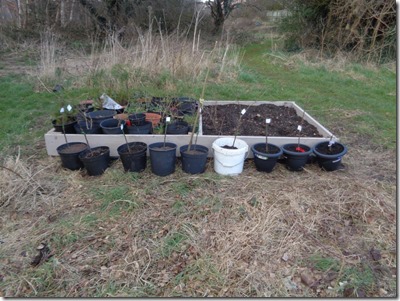
Potted up grafted trees. Photo: Paul Loughnane

The grafted trees are well-labelled, potted up and placed in a shady corner in the park to slow growth just in time for the union to take before the scion comes into full leaf and draws on the rootstock. In addition to cloning the apple varieties, the dwarfing rootstocks were propagated by both coppice stooling and trench layering.

Paul Loughnane

Wednesday, 11 May 2016

Four Very Large Whites


Phil Gilchrist unveiling the cycle stands
at New Ferry Butterfly Park Open Day


With a 1560mm wing span, more than 25 times the wingspan of the commonly seen Large White butterflies, these butterflies are surely unique. They are the new installation, publically unveiled by Phil Gilchrist, chair of Wirral Active Transport Forum, to celebrate the start of the new season at the New Ferry Butterfly Park. Phil is a well-known local cyclist, long time environmentalist with a proven track record and constant supporter of the park. As Mayor of Wirral he unveiled the brown tourist sign locating the park in 2008 when we had only 250 visitors a year. The park receives ten times that number of visitors now. Appropriately Phil arrived by bicycle. As you may remember from a previous blog the butterfly themed cycle stand was sponsored by a bequest from the family of Francis Dorothy Murphy, a regular visitor with her family for over a decade.
Phil Gilchrist revealing the Butterfly Park signpost in 2008


Although it was a wet and cold day we still had just over 300 visitors who enjoyed the environmentally themed stalls. This year for the first time, courtesy of David Ellwand & co from Wirral Tree Wardens, we had Maypole dancing which was readily participated in.
The wildflowers were out, with an extensive host of cowslip flowers, an increased number of primroses, red campions and bluebells. The park looks a lot more open following an intensive winter work season. Thanks to all those involved in both the Open Day and throughout the winter season preparations.
Although we have cleared the road a little further for car parking, with increasing visitors it would be encouraging to see to see the bicycles nestling among these very large whites.