Friday, 1 July 2011

Good news for future of Butterfly Park

On 29th June 2011 Judge David Hodge at Liverpool Crown Court confirmed that we will not have to vacate our lease at the New Ferry Butterfly Park.

Cheshire Wildlife Trust's chief executive Dr. Janel Fone said: “The New Ferry Butterfly Park continues to be a highly-valued community wildlife resource and we welcome this decision by Judge David Hodge, not only for the biodiversity at the Park but also for the local community that enjoy spending time there. We are of course disappointed that we have had to take these steps to secure the future of the Butterfly Park. The wildlife benefits of sites such as New Ferry Butterfly Park within the wider urban context cannot be underestimated, and we hope we can now work towards safeguarding the nature reserve for future generations.”

Although Cheshire Wildlife Trust could still be issued with a notice to quit, Judge David Hodge said: “The only grounds on which I can conceive it succeeding are on redevelopment of the site, and there may be difficulty in securing planning permission in view of the nature of this land.”

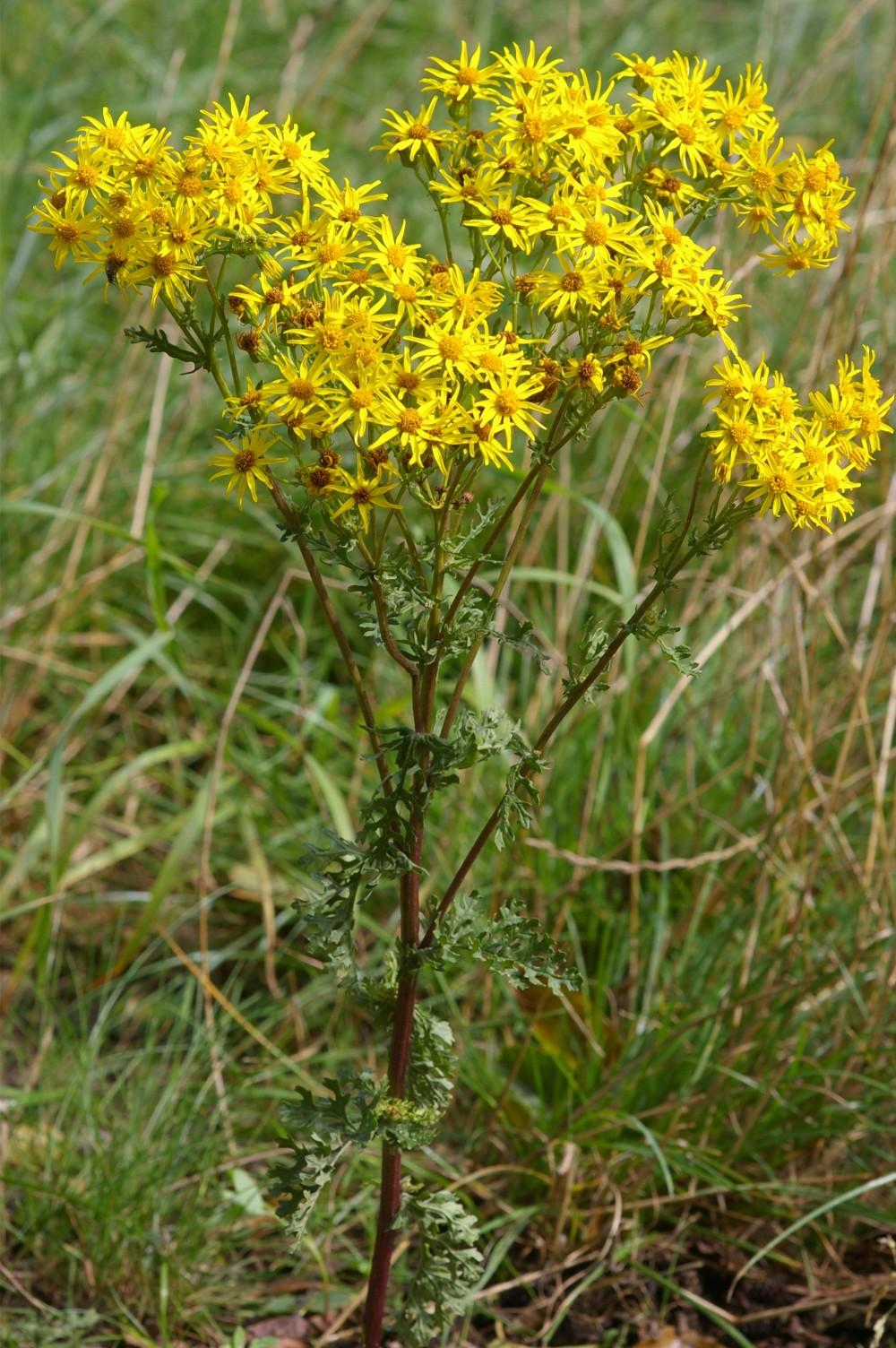
Common sense about Ragwort


Monsanto, Barrier Biotech Ltd, Ragfork, The British Horse Society and Warwickshire Council have been caught out by the Advertising Standards Authority displaying inaccurate and misleading information on their websites and in leaflets about Common Ragwort, a British wildflower important for wildlife conservation. All the organisations have agreed to remove information that wildly exaggerated how many horses die from Ragwort poisoning or made false claims that landowners have a legal obligation to 'control' it.

Advertising codes are laid down by the Advertising Standards Authority to ensure advertising is legal, decent, honest and trustful.

Monsanto, an agricultural company who sell a range of ragwort herbicides made false claims on their website stating that "landowners have a legal obligation to control Common ragwort and prevent its spread". This is not true. A land owner may be ordered to control ragwort if there is a significant risk to livestock and they have not followed the Government's 'Ragwort Code' but there is no automatic legal obligation.

Defra state that "The code of conduct does not seek to eradicate ragwort. Ragwort as a native plant, is very important for wildlife in the UK. It supports a wide variety of invertebrates and is a major nectar source for many insects".

Ragfork a company selling a ragwort removal tool, claimed that "It is responsible for the deaths of up to 6,500 horses and ponies in the UK each year." They conceded there was no evidence for this and removed the statement from their website. In fact numbers are so low that the Government have stopped recording them. In the UK Government figures for 2005 record just 13 deaths.

Matt Shardlow, Buglife Chief Executive said "At least 30 insect species are entirely reliant on Ragwort and about a third of them are scare or rare. Ragwort is also a critically important nectar and pollen source for hundreds of species of butterflies, bees, moths, beetles and flies, helping to maintain what remains of our much declined wildlife. While it can be harmful to horses in large amounts the main threat is dried ragwort illegally sold in hay and this is where we should focus efforts, not on spraying the countryside with more pesticides, or ripping plants out of roadside verges.

Friday, 24 June 2011

Mersey Barrage Scheme on hold

Claire Reed, Marine Conservation Officer (North West) for the RSPB, has news of the proposed Mersey Barrage Scheme:

"Peel Energy is putting the Mersey Tidal Power project on hold for at least the duration of this term in government as the scheme is not financially viable under current renewable energy subsides. This is obviously great news (for now) and I want to say a huge thank you for all your support over the past year. Below is the official press release produced by Peel, which was sent out this morning:


A preferred option report (Stage 3 Feasibility Study) which includes the final decision on the type of tidal technology to be used in the Mersey Tidal Power project has also been produced and is now available for comment at the link below:

http://www.merseytidalpower.co.uk/

It states that, although currently uneconomical, the preferred option for tidal technology on the Mersey came out as a full impoundment barrage, as we thought. We know this to be the most environmentally destructive type of tidal technology that exists to date, even though Peel have stated in the study that it is broadly environmentally acceptable. Consequently, we are pulling together a press release in response to this. We will also state that we welcome the fact that this proposal has been shelved, but that we do encourage the developer/government to continue to look into the environmental implications of new types of tidal power technology so we may better understand these should the proposal on the Mersey resurface in the future.

This now brings into question our proposed programme of summer Mersey campaign activities, and where this announcement leaves us. This is certainly not the end for the Mersey Barrage Campaign. Over the next few weeks I would like to encourage as many of you as possible to write to your local press editor and express your views at this announcement. I will be in touch with further details about this soon.

Many thanks again for all your support. We don’t know to what extent local voices have influenced this decision, but I like to believe voicing your concerns certainly added weight to this."

Monday, 30 May 2011

Tree Bumblebee

Steve McWilliam of rECOrd has emailed with news of a Tree Bumblebee.

Have you seen the 'new' Tree Bumblebee yet? The information sheet below describes the bee and shows some good photographs to simplify recognition and identification. I hope it helps you to record this species whilst you are in your garden or out and about in the countryside.


It seems to favour nectaring on Cotoneaster flowers but I have also found it at Columbine (Aquilegia), Rhododendron and Raspberry flowers.

You can help plot its increasing distribution by submitting your sightings to the rECOrd website www.rECOrd-LRC.co.uk. We look forward greatly to receiving your records of this bee.

Monday, 9 May 2011

Butterfly Park Open Day


Despite a wet start people turned up for New Ferry Butterfly Park Open Day on Sunday. Local MP Alison McGovern formally opened the new Caravan Visitor Centre and planted some common sorrel in the Mobile Allotment. The sun shone in the afternoon and photographs from the day can be seen in a slide show on our website www.wirralwildlife.co.uk/events.html. There are also three new artworks to be seen in the park.

Burbo Bank extension consultation

The Burbo Bank Offshore Wind Farm Extension programme of community consultation has begun. The first series of public consultation events are happening in the area later this month as follows:

Tuesday 17th May 2011 – 2 p.m. to 8 p.m.
Wellington Community Centre, Wellington Road, Rhyl, Denbighshire, LL18 1LE

Thursday 19th May 2011 – 2 p.m. to 8 p.m.
St Stephen’s Church Hall, St Stephen’s Road, Hightown, Merseyside, L38 0BL

Friday 20th May 2011 – 12 p.m. to 6 p.m.
Floral Pavilion, Marine Promenade, New Brighton, Wirral, CH45 2JS

Saturday 21st May 2011 – 12pm to 6pm
Hoylake Community Centre, Hoyle Road, Hoylake, Wirral, CH47 3AG

These events are to present details of the proposed project, to listen to your views and obtain community feedback.

Wednesday, 4 May 2011

Wirral orchid theft

A number of native marsh orchids have been illegally dug up from a field managed for nature conservation in south Wirral.

Wild flowers are protected from destruction in the UK through the Wildlife & Countryside Act (1981) making their removal a criminal offence, with penalties ranging from a £5,000 fine or up to six months imprisonment.

A number of wildflower species such as bluebells, snowdrops and orchids receive additional protection under the Act, in some cases against sale. It is not known why the orchids were removed in this case.

The theft was discovered by the owners of the field where the orchid colony was thriving. Dr. Hilary Ash, Hon. Conservation Officer for Wirral Wildlife said: “We’re deeply concerned to have heard about this destruction of protected wild flowers, especially given the stiff penalties that are in place and several years since similar offences took place on the Wirral.

“Digging up wild orchids is particularly senseless, as due to their complex relationship with a fungal species in the soil, they are unlikely to survive once transplanted. Our wildlife is already under immense strain from the threat of climate change and other pressures without the added problem of people digging up our native flora.”

The news comes as the Government asks the public to review all of the 278 pieces of environmental legislation in the UK as part of its ‘Red Tape Challenge’ – including the Wildlife & Countryside Act that currently protects much of the UK’s wildlife against disturbance or removal.

Charlotte Harris, director of conservation at Cheshire Wildlife Trust added: “This worrying case of the removal of one of our most striking native flowers only seeks to highlight the crucial role that our 30 year old wildlife legislation plays in the UK.

“Should those responsible have been caught in the act of destroying these marsh orchids, the full force of the Wildlife & Countryside Act may have been brought to bear, as we increasingly see with high-profile species such as wild birds - with imprisonment now a real possibility in the most disturbing cases.”

Ms Harris added: “With the loss of police Wildlife Crime Officers in the region last year, to also find our wildlife legislation - the last line of defence, under threat makes for challenging times for our wildlife.”

People being offered ‘wild’ plant species should make sure they have been grown in cultivation and not removed from nature conservation sites. Native British orchids are particularly difficult to cultivate and only a specialist supplier will be able to offer them.

Anyone who believes they have seen the removal or destruction of protected wild flowers should report the matter to their local police station.